Free Back Pain Exercise & Physical Therapy Protocols for Back Pain Relief.
Stop guessing with generic listicles. Discover clinically proven free back pain exercises tailored for lower back pain, sciatica, herniated discs, thoracic strain, and morning stiffness. Stream interactive follow-along routines with hands-free timers, back pain yoga, and printable PDFs.
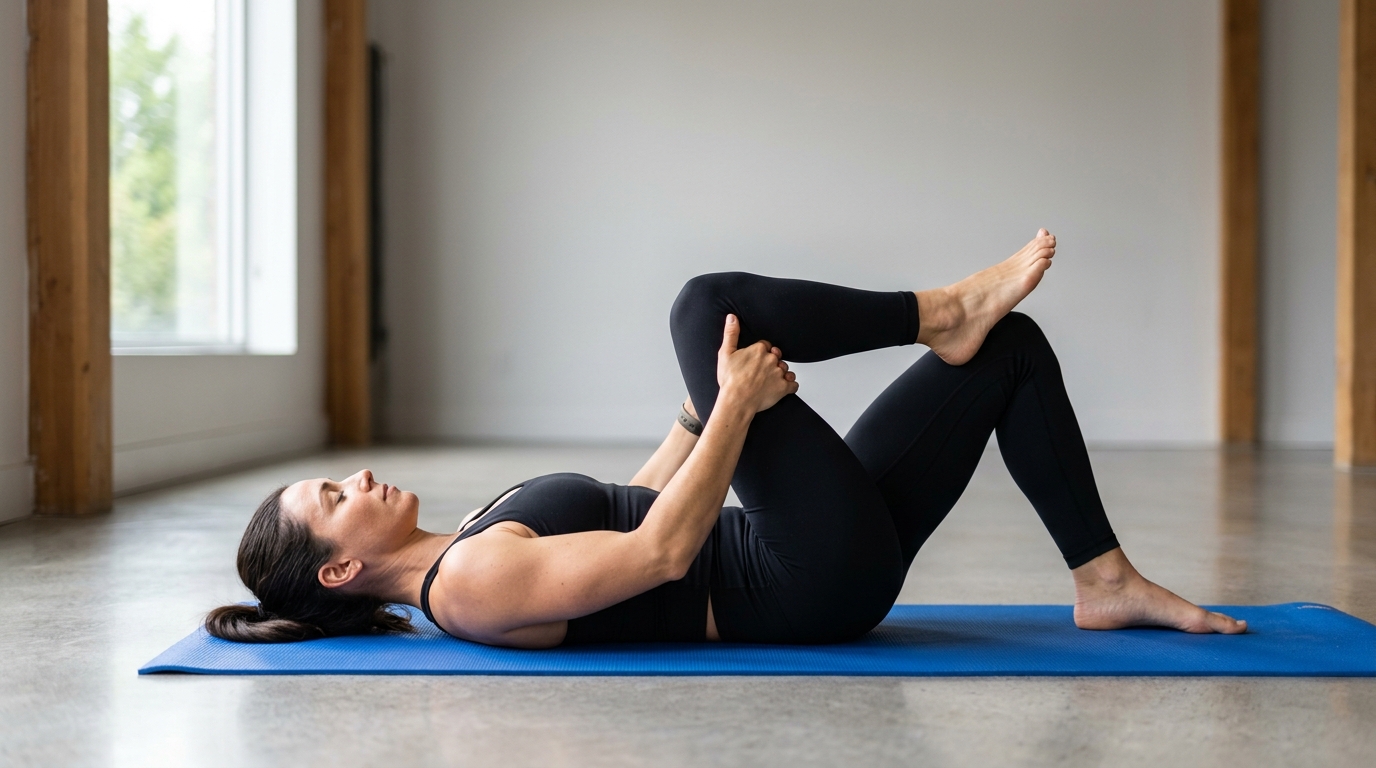
Designed to decompress the sciatic nerve tract and activate glute stabilizers.
💡
Clinical PT Tip:Focus on gentle tension rather than pushing through pain. Movements that centralize symptoms indicate proper decompression.
CLINICAL ANATOMY ENGINE
Interactive Spine & Disc Level Map (C1–S1)
Pinpoint your exact MRI diagnosis or pain trigger. Click any disc level below to uncover nerve root pathways, referral symptoms, and doctor-approved physical therapy routines.
SPINAL COLUMN(Sagittal Alignment)
Interactive 3D Layer
Cervical (Neck)
Thoracic (Mid Back)
Lumbar (Low Back)
Lumbosacral & SI
LUMBAR SPINE•LEVEL: L4-L5
⚠️ #1 Herniation Zone (45% incidence)
L4-L5 Lumbar Intervertebral Disc
The workhorse junction of the lower back bearing the highest bending shear and rotational torque in the human body.
⚡ NERVE ROOT & INNERVATION
L5 Nerve Root → Sciatic Trunk
Passes through the L4-L5 neural foramen, descending through the gluteus, lateral thigh, and controlling the extensor hallucis longus (lifting big toe).
🎯 SENSATION & PAIN PATTERN
Outer Thigh, Shin & Top of Foot
Sharp shooting sciatica down outer leg; pain spikes when slouched sitting, bending forward, coughing, or sneezing.
The Complete Clinical Guide to Free Back Pain Exercises & At-Home Relief
An evidence-based physical therapy manual for targeted spine rehabilitation, disc decompression, posture correction, and lasting back pain relief.
FOUNDATIONAL PRINCIPLES
Why Targeted Free Back Pain Exercise Outperforms Passive Bed Rest
For decades, traditional medical advice recommended prolonged bed rest for acute spine discomfort. Modern orthopedic research and physical therapy clinical practice guidelines now definitively prove that controlled, active movement is the cornerstone of effective back pain treatment. When you practice structured free back pain exercises, you stimulate vascular perfusion into avascular intervertebral discs, activate deep core stabilizers (transverse abdominis, multifidus), and promote neural desensitization.
Whether you are managing acute disc irritation, sciatica, postural syndrome, or chronic lumbar ache, selecting the right exercises for lower back pain ensures you restore functional range of motion while safeguarding delicate neural pathways. Our clinical platform offers a 100% free, unpaywalled directory designed to empower you with hospital-grade home exercise programs at zero cost.
LUMBAR & SACRAL (L1–S1)
Lower Back Pain Exercises & Decompression
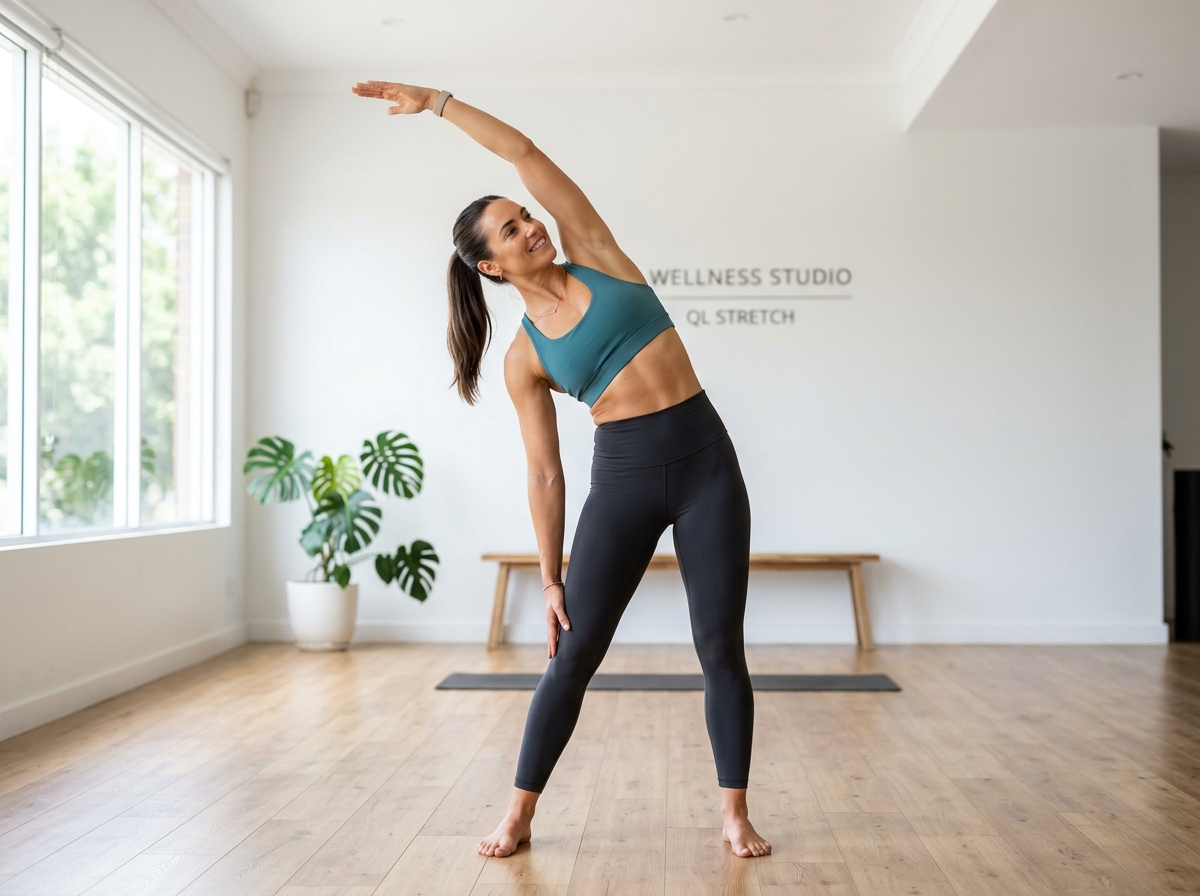
The lumbar spine bears the majority of your body's axial load. Performing structured lower back pain exercises at home—including the Cat-Cow, Pelvic Tilts, Bird-Dog, and Glute Bridges—counteracts daily sedentary compression. For unilateral symptoms, specific lower right back pain exercises like the Standing Quadratus Lumborum (QL) release and single-sided Sciatic Nerve Flossing relieve localized muscular spasm and nerve root impingement.
Integrating gentle, sustained streches for lower back pain enhances hip mobility and reduces compensatory hyperlordosis, delivering lasting back pain relief.
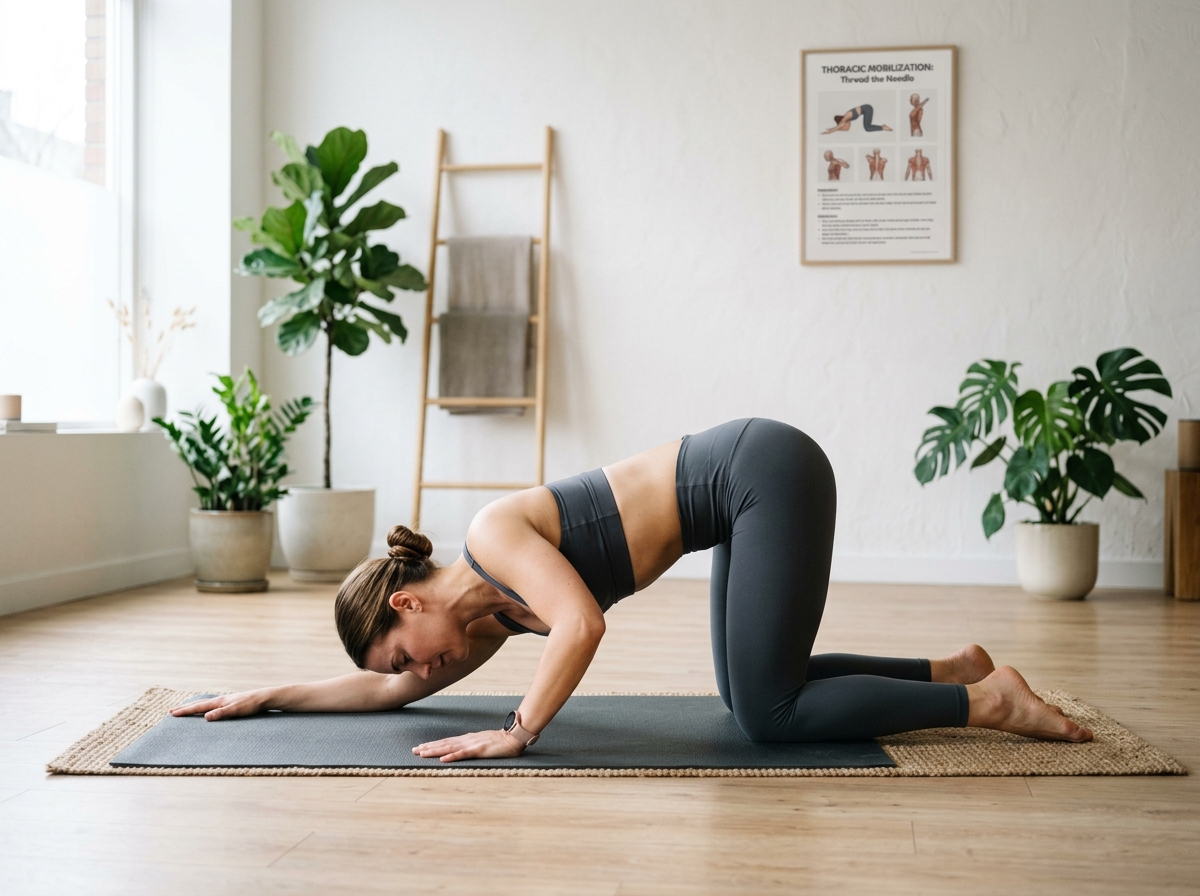
Prolonged screen time and slouching cause thoracic spine stiffness and forward head posture. Clinically vetted thoracic back pain exercises and mid back pain exercises, such as Open-Book Rotations and Thread the Needle, mobilize the rib cage and facet joints.
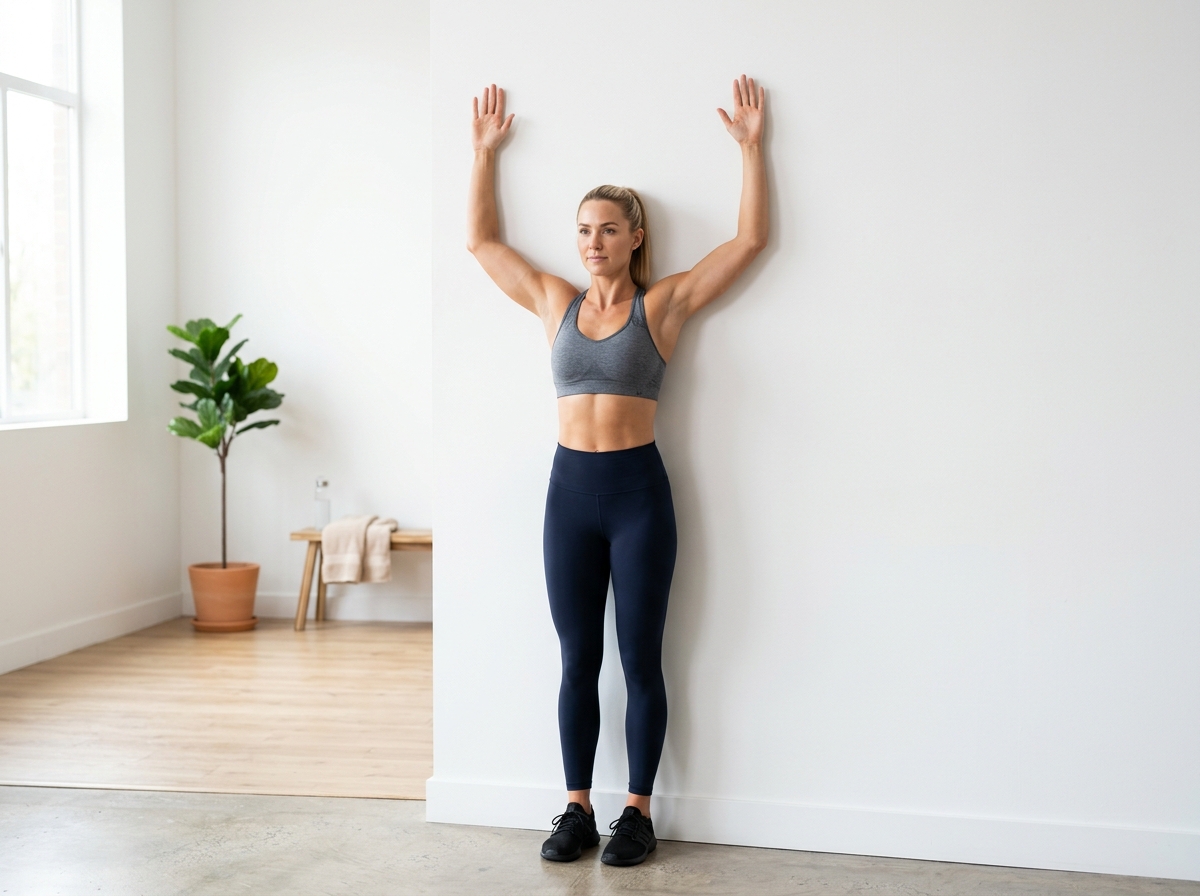
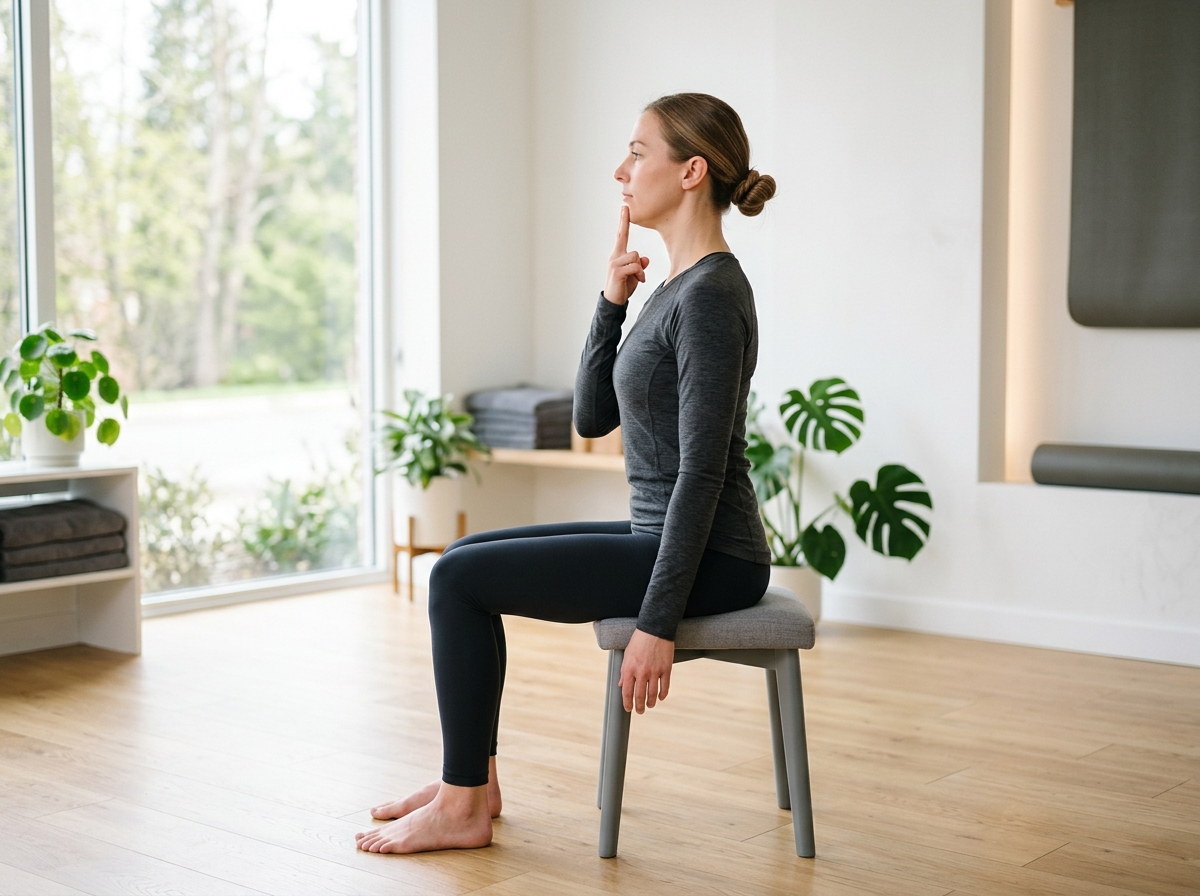
In addition, targeted upper back pain exercises and middle back pain exercises (like Wall Angels, Scapular Retractions, and Chin Tucks) strengthen the rhomboids and lower trapezius, alleviating burning knots between the shoulder blades and restoring upright biomechanical alignment.
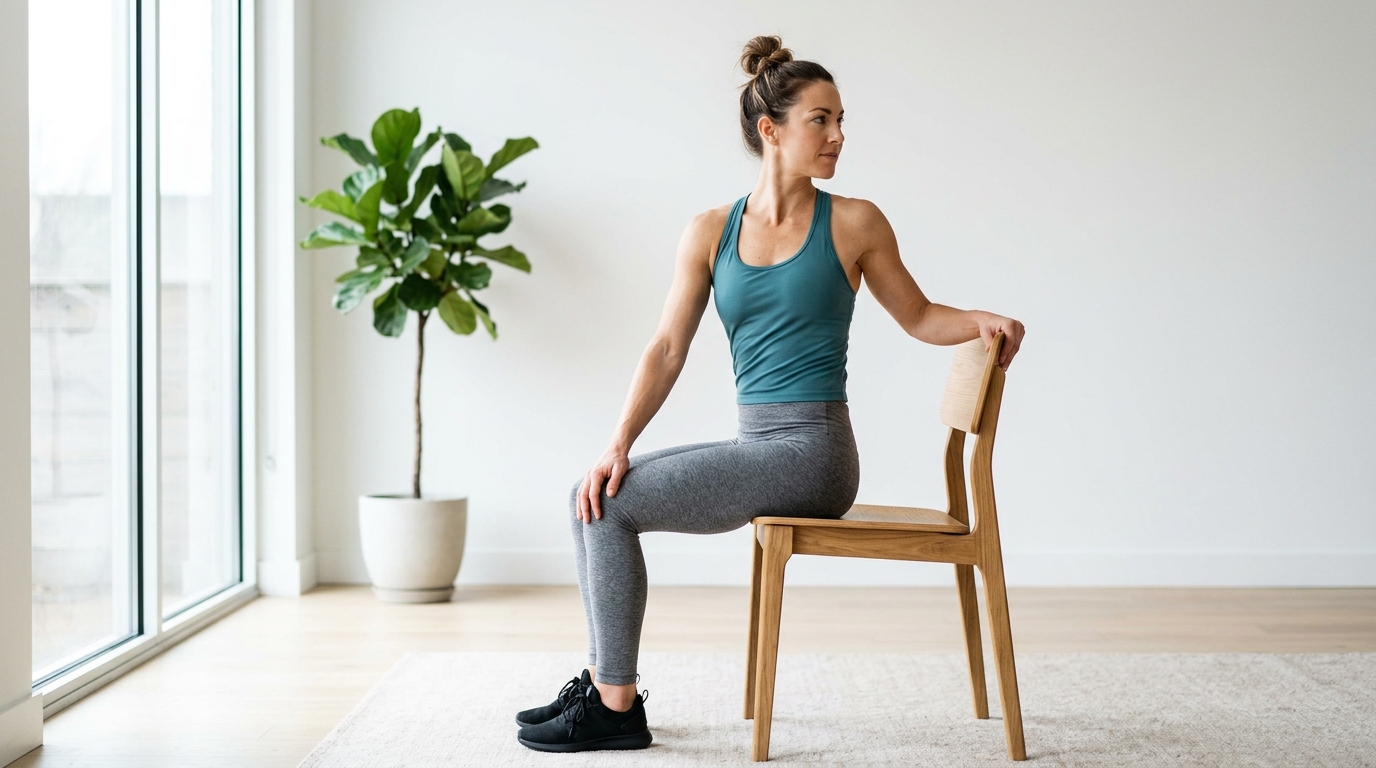
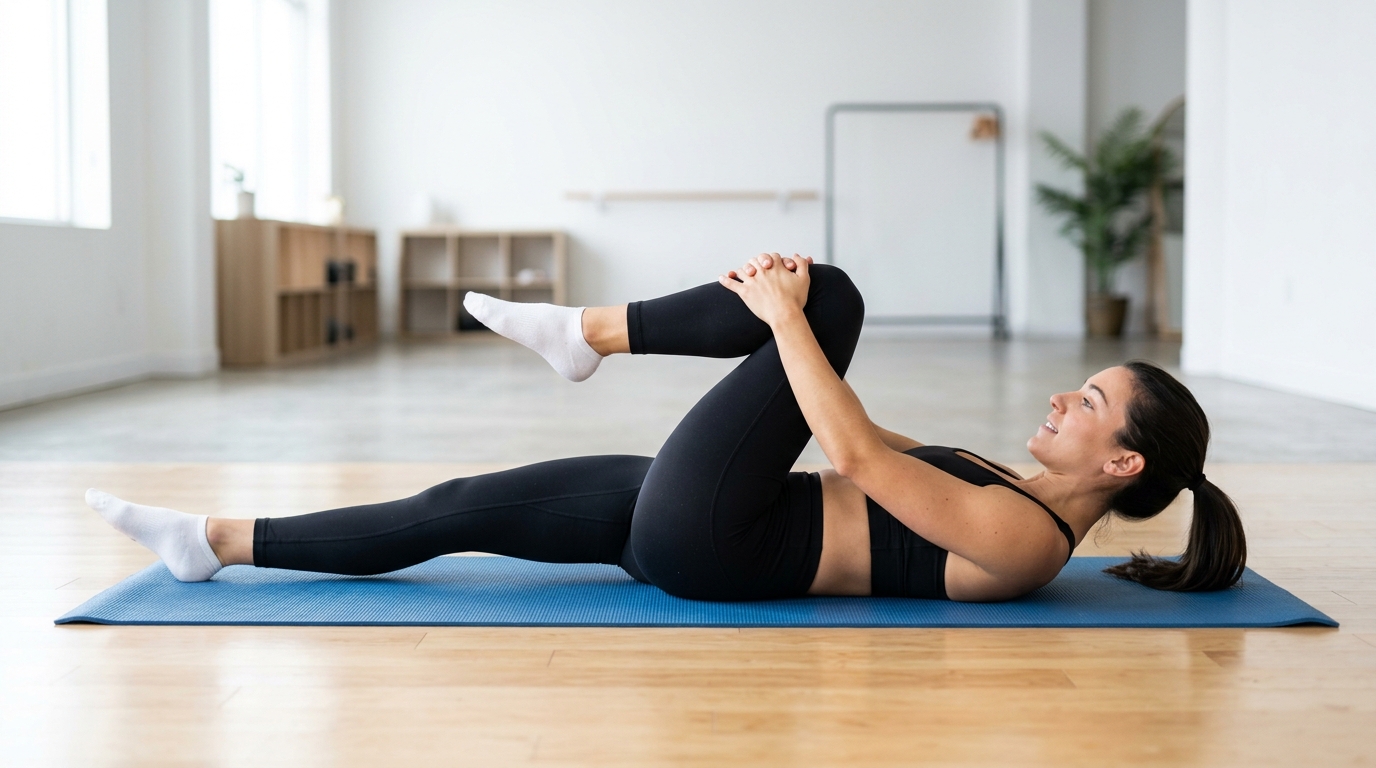
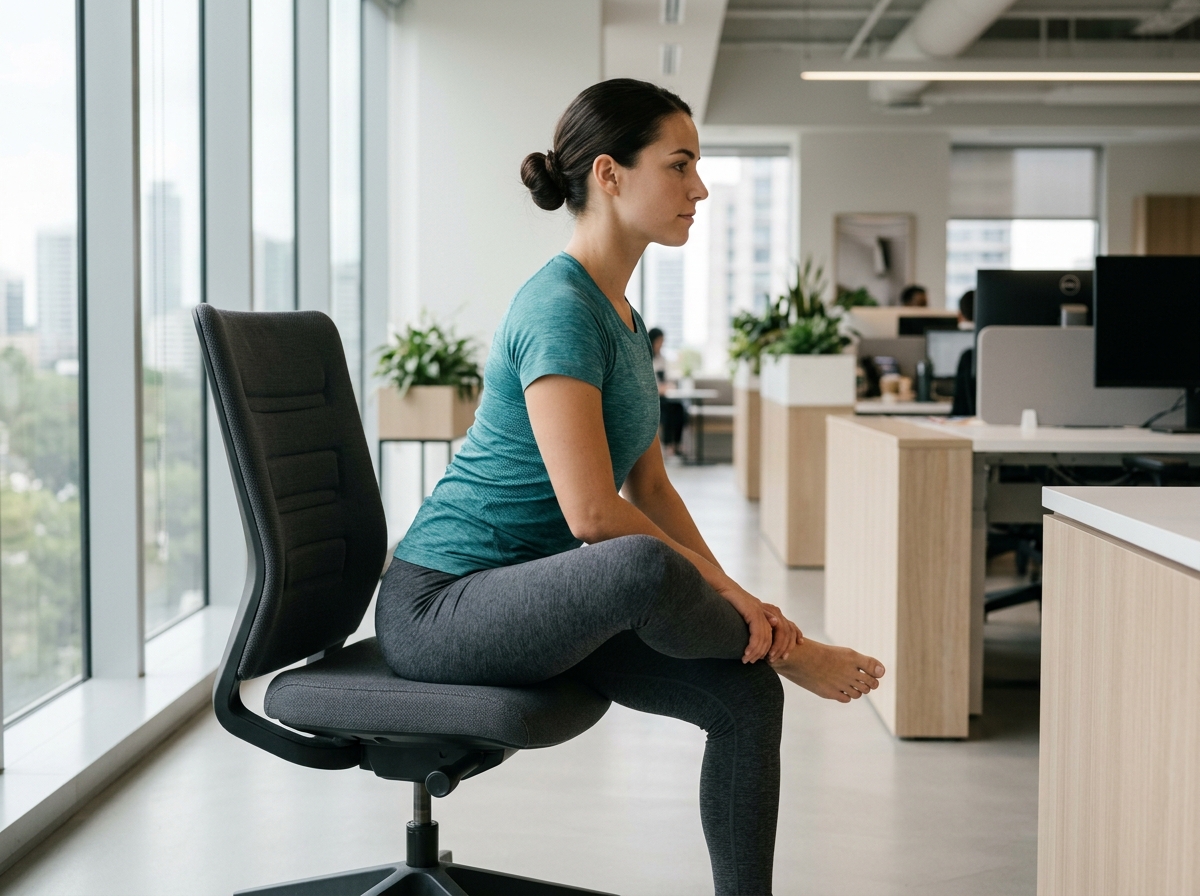
Aging spines frequently present with disc degeneration, spinal stenosis, and reduced joint lubricity. Our dedicated back pain exercises for seniors prioritize low-impact, supported movements such as Seated Figure-Four stretches, gentle Supine Knees-to-Chest, and standing wall push-offs. These low back pain exercises for seniors preserve spinal canal clearance, protect bone density, improve standing balance, and minimize fall risks.
🤱 Postpartum Back Pain Exercises
Pregnancy hormones (relaxin), shifted center of gravity, and the physical demands of newborn nursing frequently trigger severe lumbopelvic and mid-back fatigue. Our gentle postpartum back pain exercises focus on restorative diaphragmatic breathing, pelvic floor reactivation, gentle Bird-Dog core stabilization, and open-chest stretches designed to heal diastasis recti and reverse nursing hunch posture safely.
MIND-BODY MOBILITY
Mind-Body Integration: Gentle Back Pain Yoga & Dynamic Stretches
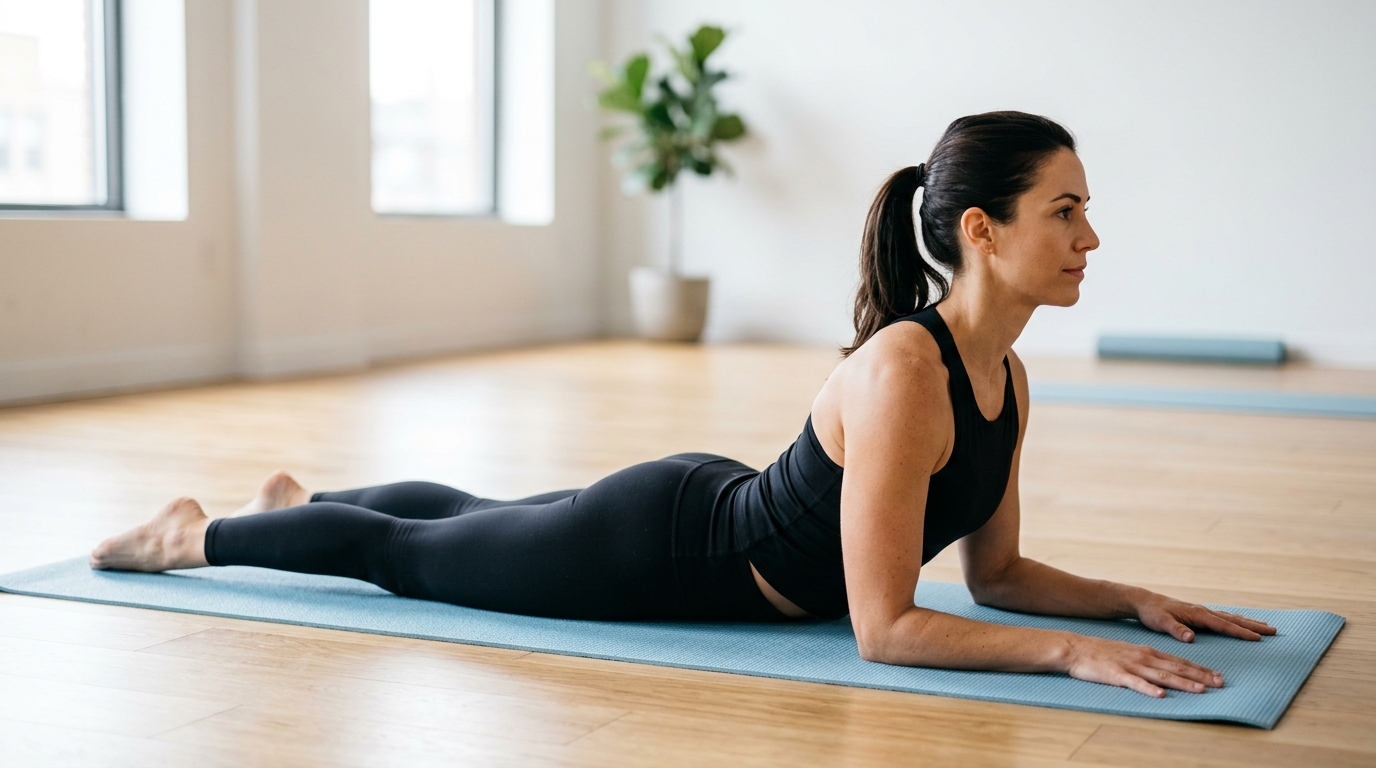
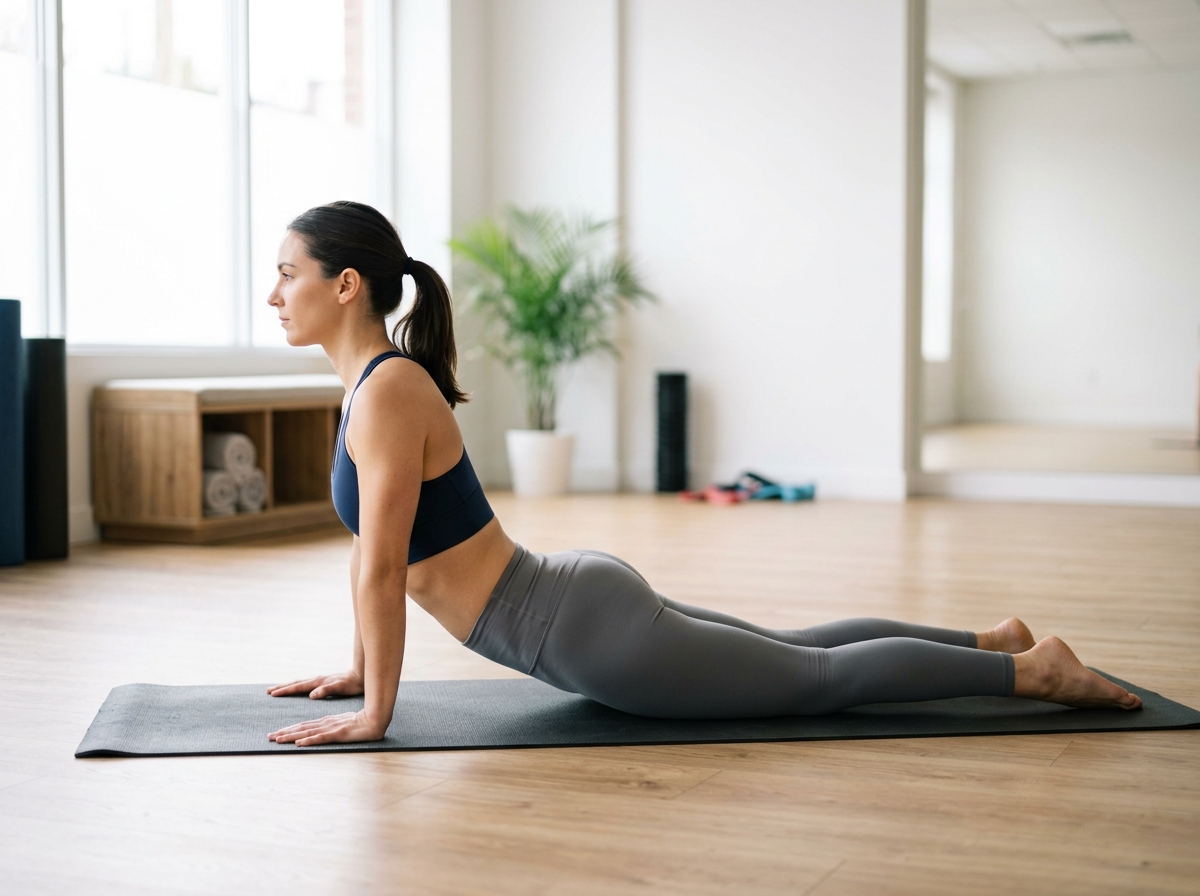
Incorporating therapeutic back pain yoga poses creates an ideal synergy between physical musculoskeletal release and nervous system downregulation. Restorative poses such as Child's Pose (Balasana), Sphinx Pose (Salamba Bhujangasana), and Supine Spinal Twists provide gentle traction across lumbar vertebrae without jarring facet joints.
Combined with active neuromuscular exercises for lower back pain, practicing 5 to 10 minutes of daily spine yoga lowers cortisol, diminishes muscle guarding spasms, and accelerates natural tissue healing.
CRITICAL SAFETY GUIDELINES
Clinical Precautions: Lower Back Pain Exercises to Avoid
Not all movements are beneficial during an acute injury. Understanding specific lower back pain exercises to avoid is critical to preventing disc herniation progression, annular tears, or exacerbated sciatic nerve impingement:
❌ Standing Toe Touches & Forward Bends
Creates extreme lumbar disc flexion moments and excessive tensile stress on posterior disc walls (L4-L5, L5-S1).
❌ Straight-Leg Sit-Ups & Crunches
Over-recruits the psoas muscle, pulling forcefully on lumbar vertebrae and compressing facet joints.
❌ Double Leg Lifts
Demands extreme anterior core torque that forces weak lumbar spines into hyperextended shearing forces.
❌ High-Velocity Torso Twisting
Rapid torsional twisting tears outer annulus fibrosus fibers in discs under compressive load.
Always listen to the centralization phenomenon: if a stretch causes pain to travel further down the leg (peripheralization), cease immediately and perform gentle extension decompression.
VISUAL FORM DIRECTORY
Visual Movement Guides & Back Pain Images
Biomechanics require precision. Our library includes clear back pain images and anatomical illustrations mapping starting posture, execution phase, and targeted muscular firing lines.
Cat-Cow FlowL1-L5 Flexion/Extension
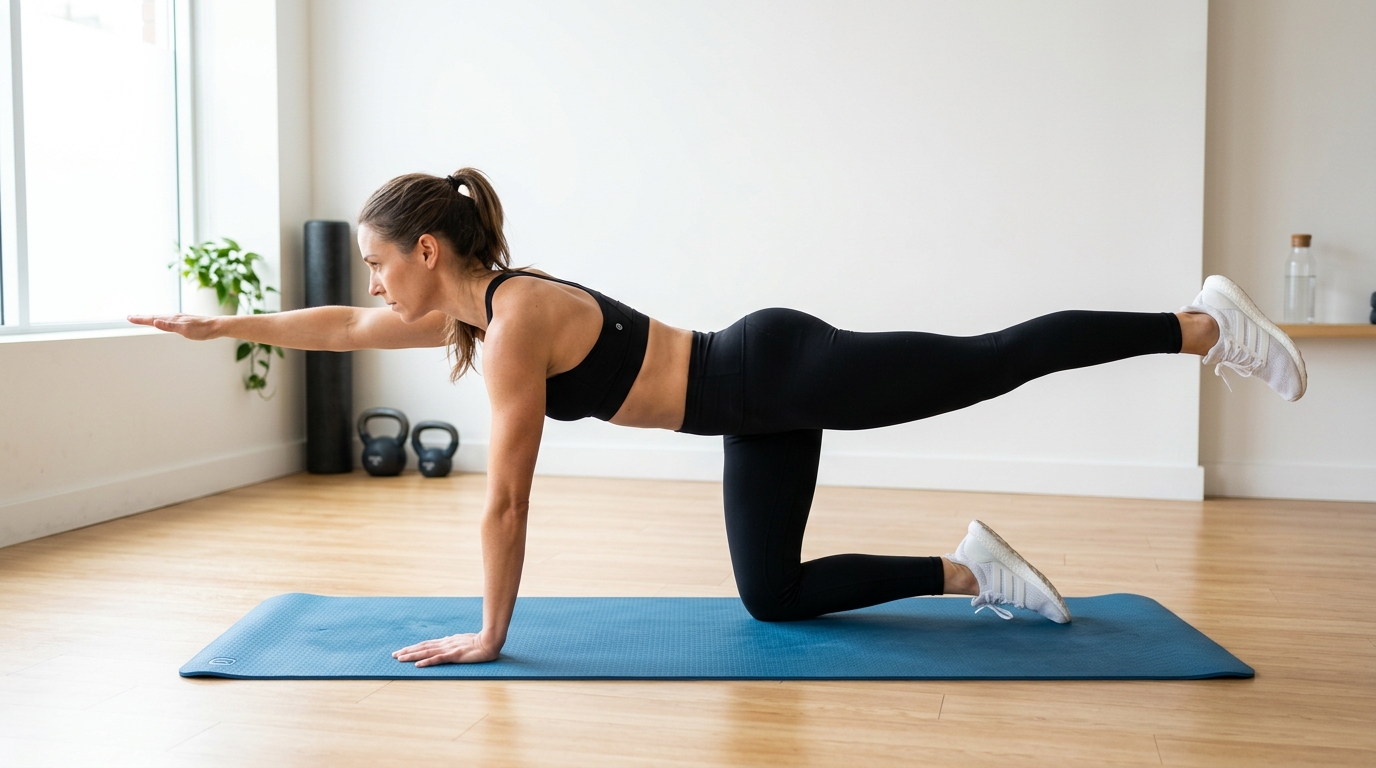
Bird-Dog HoldMultifidus & Core
Child's PoseGentle Decompression
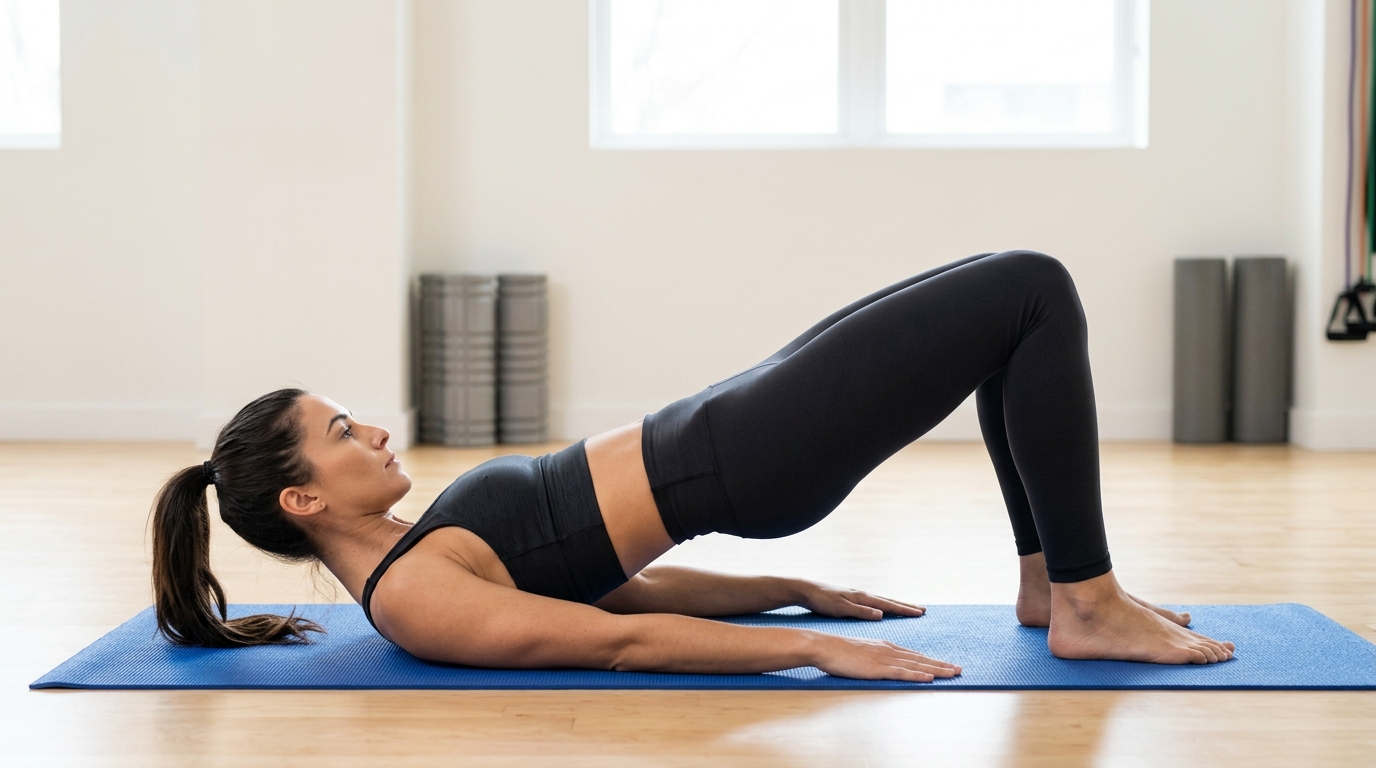
Glute BridgePosterior Chain Power
PRINTABLE HOME REHABILITATION
Downloadable Physical Therapy Sheets: Back Pain Exercises PDF
Take your clinical spine routine anywhere. Whether you want to hang an exercise chart on your refrigerator, keep an at-work desk guide, or take instructions to your gym mat, you can generate comprehensive printable sheets instantly:
PDF PACK 01
Lower Back Pain Exercises PDF
Lumbar stabilization, McKenzie extensions, and sciatic nerve glide protocols.
PDF PACK 02
Thoracic Back Pain Exercises PDF
T-Spine extension, rib mobility, and scapular stabilizer routines.
PDF PACK 03
Full Back Pain Exercises PDF
Complete 30-exercise clinical directory with timers and C1-S1 disc tags.
CLINICAL FAQ PREVIEW
Essential Answers for Spine Recovery & Movement Safety
Have questions about the single best exercise for lower back pain, how to get instant decompression at home, or which exercises to avoid during acute sciatica? Explore our comprehensive 17-question clinical knowledge base below.
Expert answers to the most common questions on lower back pain exercises, at-home decompression, stretches, exercises to avoid, and physical therapy routines.
🔍
01.
What are the 3 simple exercises for back pain?
Simple Routines
▼
The 3 simplest, most widely recommended foundational exercises for back pain are:
1. Pelvic Tilts: Gently flattens the lumbar curve to mobilize L4-S1 joints and activate deep transverse abdominis without compressive load. 2. Cat-Cow Stretch: Moves the entire spine through pain-free flexion and extension, lubricating facet joints and releasing muscular spasms. 3. Bird-Dog: Strengthens the multifidus and erector spinae muscles while maintaining a neutral, protected spine to build long-term spinal stability.
Recommended Action:
02.
What are good exercises for lower back pain?
Lower Back
▼
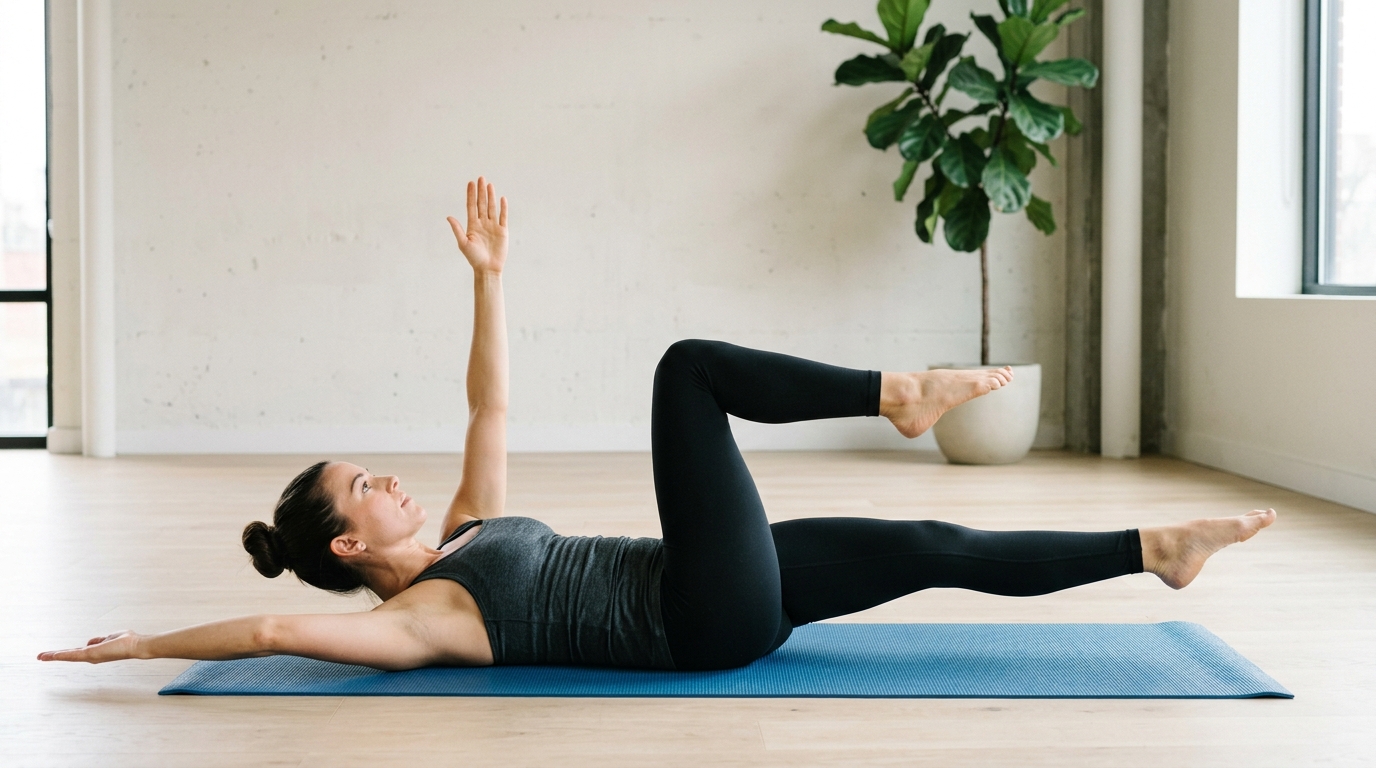
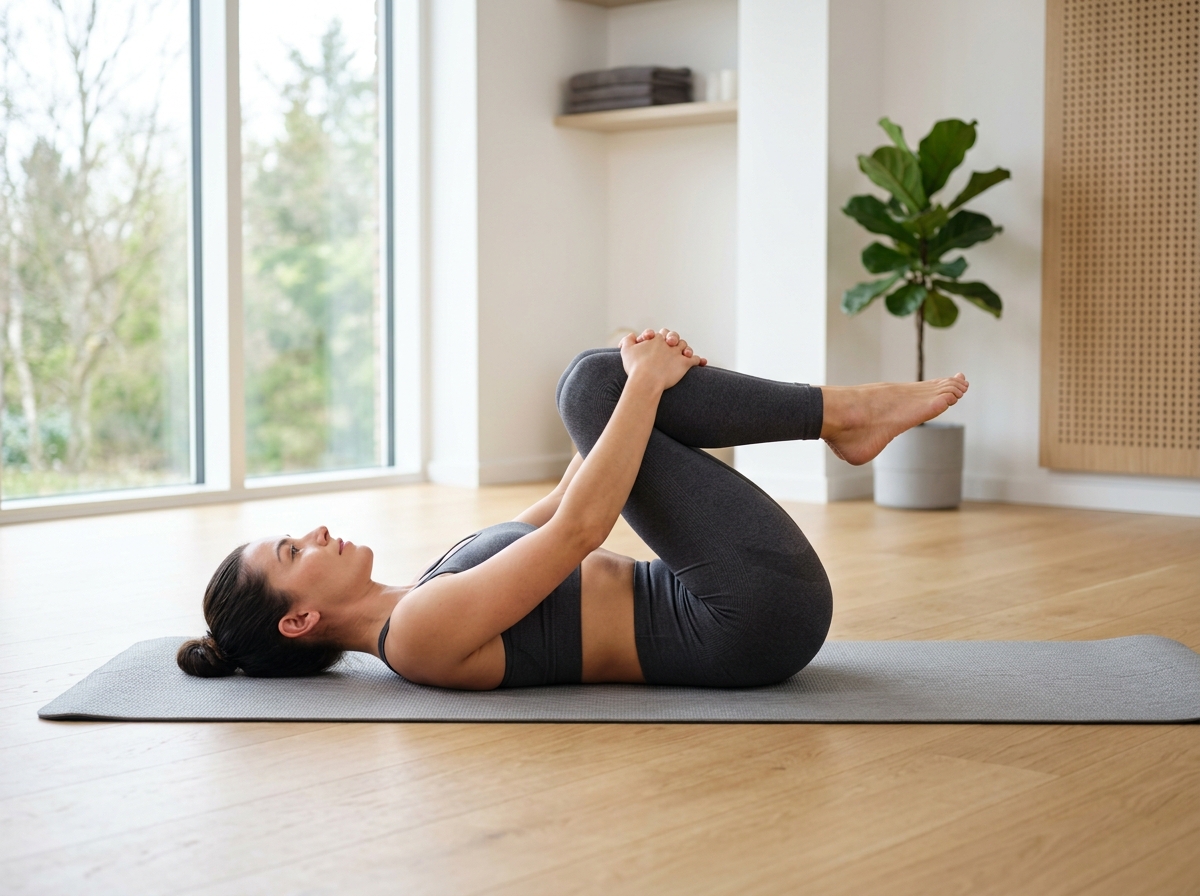
Good exercises for lower back pain focus on gentle lumbar decompression, core stabilization, and hip mobility without spinal flexion under load. Excellent examples include Glute Bridges (strengthens the gluteus maximus to offload lumbar strain), Knee-to-Chest Stretches (opens the spinal canal and neural foramina), Child's Pose (elongates tight erectors), and Deadbug (builds anterior core stability without lumbar shearing).
03.
What are the best exercises for lower back pain?
Lower Back
▼
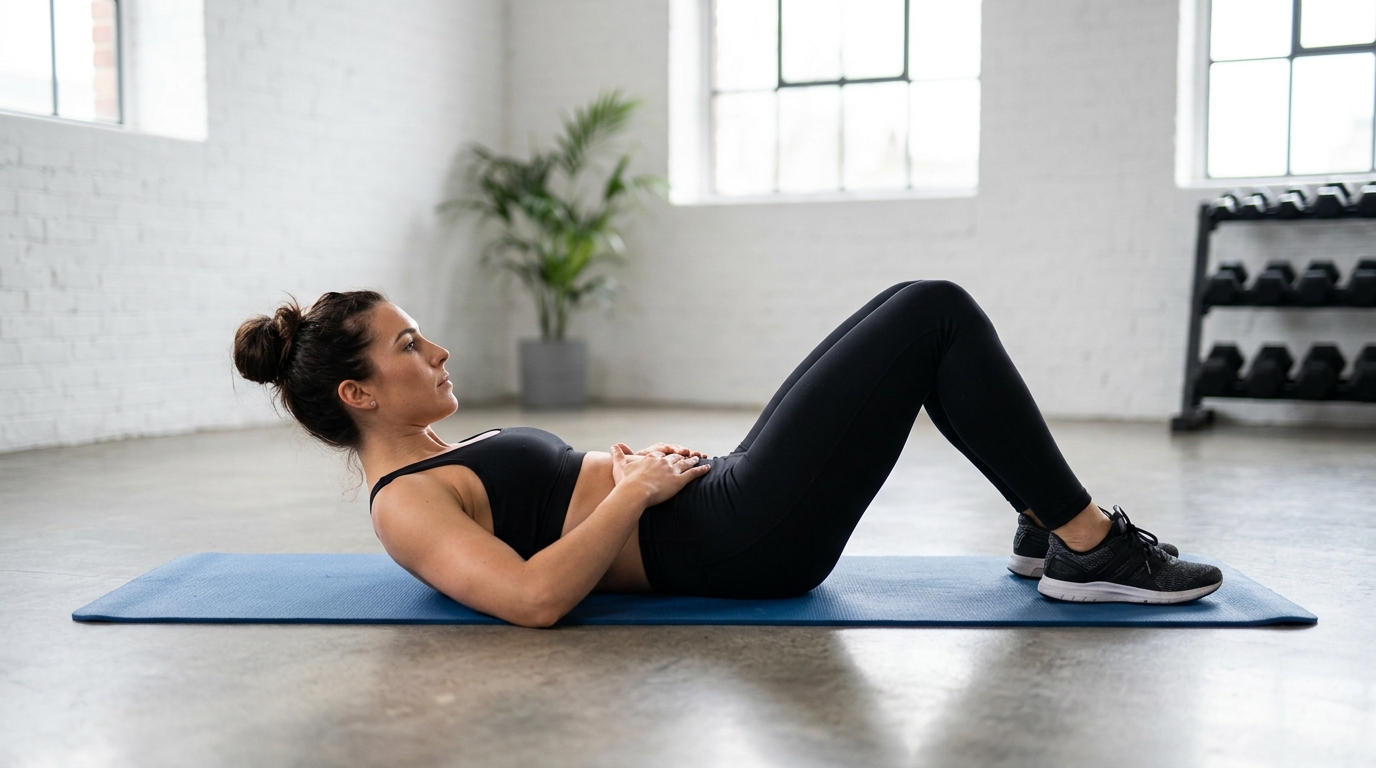
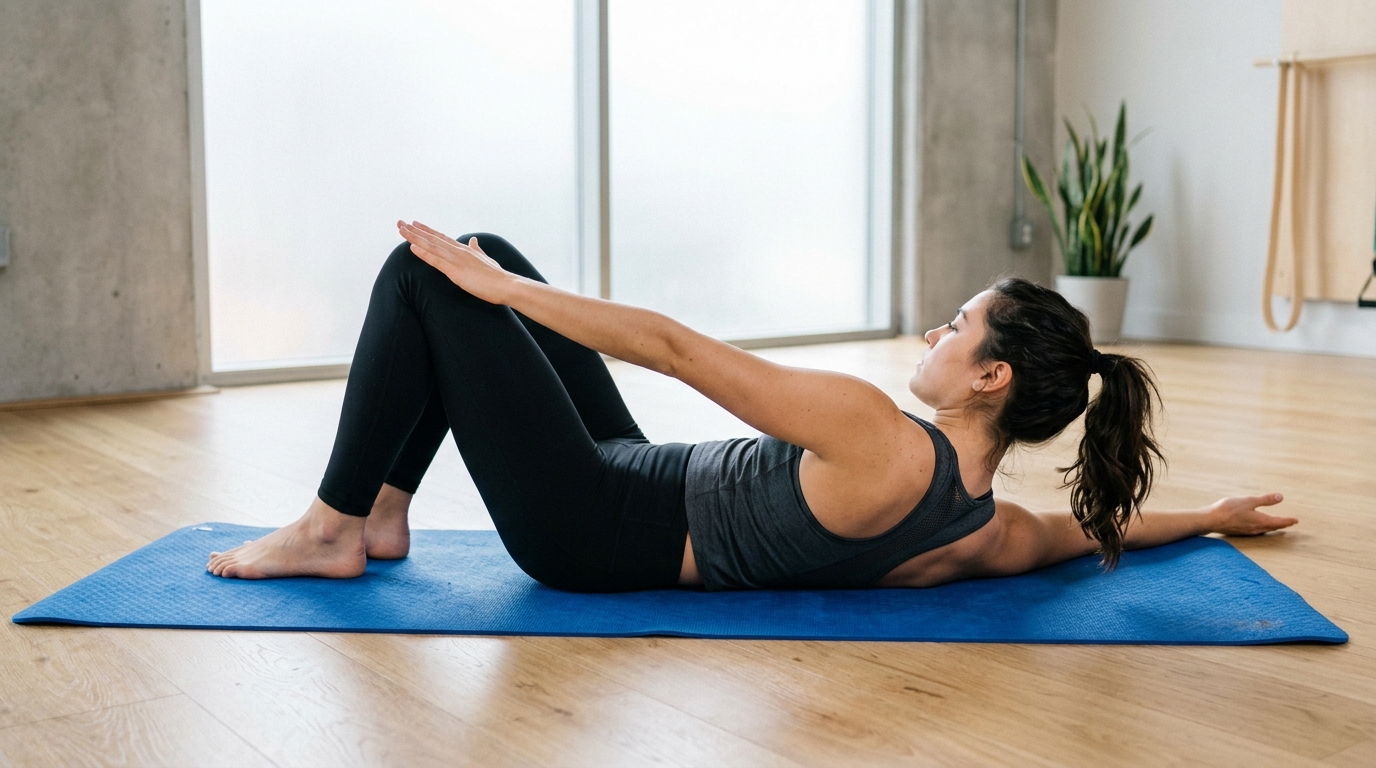
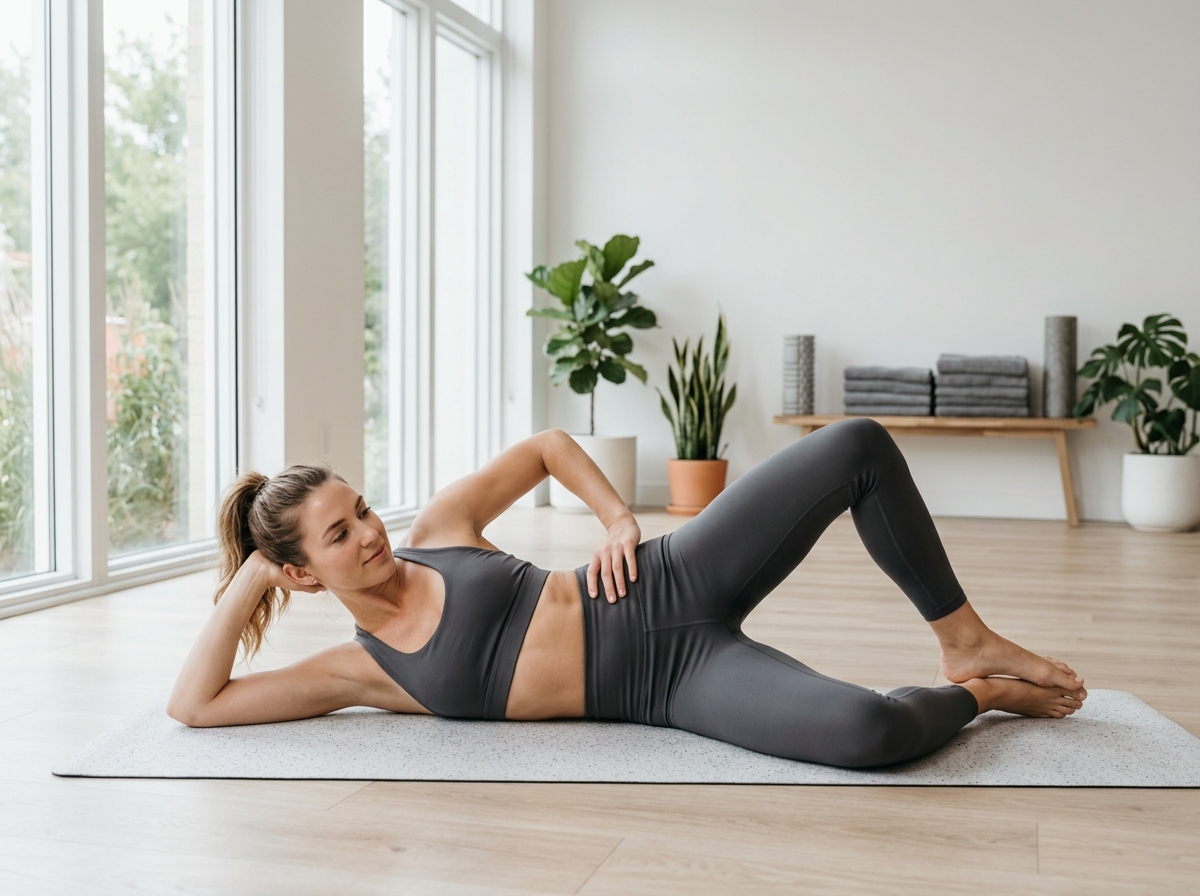
The clinical gold standard exercises for lower back pain are the McGill Big 3 (Modified Curl-Up, Side Plank, and Bird-Dog) paired with directional preference movements like the McKenzie Prone Press-Up (for posterior disc bulges) and Glute Bridges. These exercises maximize muscular endurance and spine stiffness while imposing minimal compressive load on the lumbar vertebrae.
Recommended Action:
04.
What exercises help lower back pain?
Lower Back
▼
Exercises that help lower back pain include low-impact movements that decompress the spinal disc column, improve pelvic alignment, and strengthen the posterior chain:
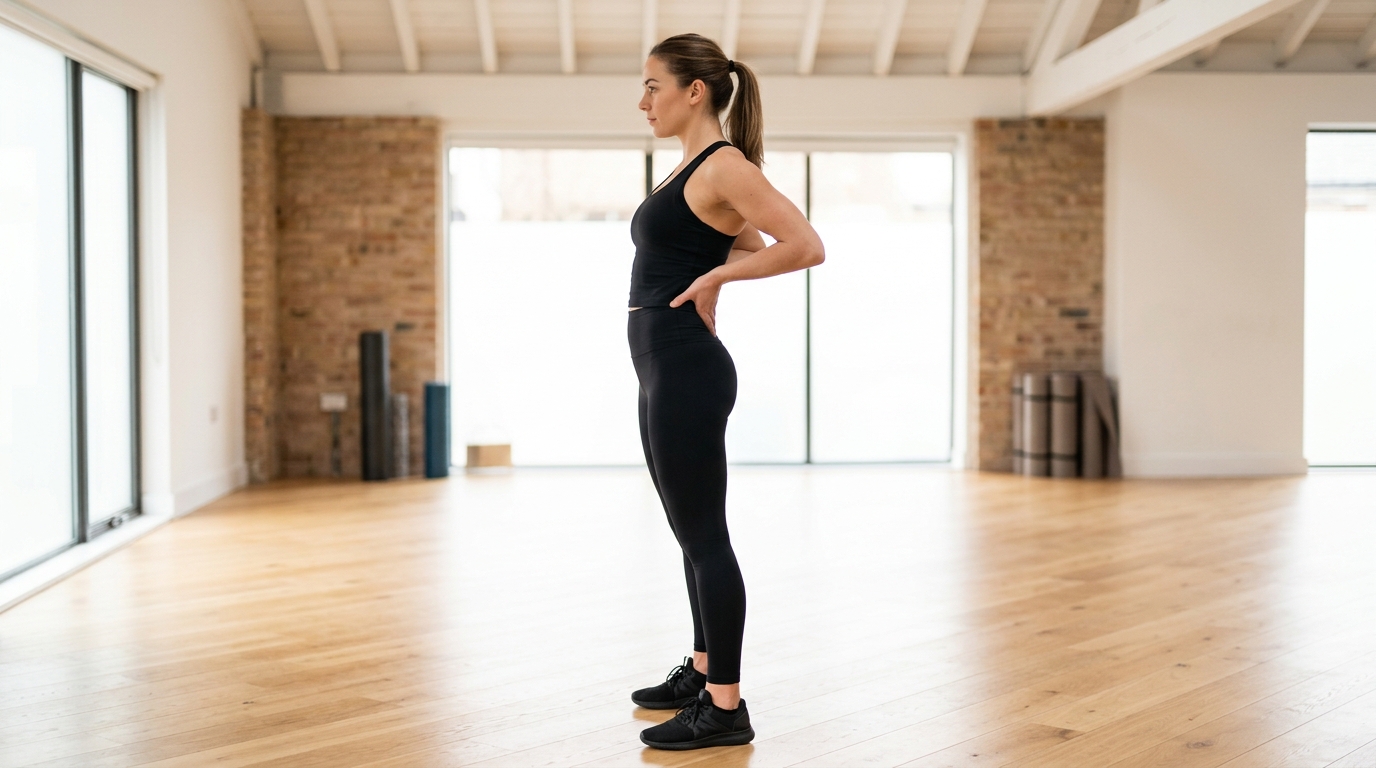
- Sphinx Pose / Prone Extension: Restores natural lumbar lordosis and promotes disc centralization. - Piriformis & Figure-Four Stretch: Relieves deep sciatic nerve compression in the buttocks. - Standing Lumbar Extension: Ideal for desk workers to reverse slouching strain throughout the day. - Sciatic Nerve Flossing: Restores smooth neural gliding through the sciatic notch.
Recommended Action:
05.
What exercises to do for lower back pain?
Lower Back
▼
For a daily lower back pain routine, physical therapists recommend a 3-part sequence:
1. Decompression (Morning): 2 minutes of gentle Cat-Cow and Prone Decompression. 2. Mobility (Midday): Seated Figure-Four stretch and Standing QL (Quadratus Lumborum) Side Reach. 3. Stabilization (Evening): 2 sets of 10 repetitions of Glute Bridges and Bird-Dog holds (hold 5-10 seconds per side). Always move within a pain-free range of motion.
Recommended Action:
06.
What exercises to avoid with lower back pain?
Safety & Cautions
▼
When suffering from lower back pain, you should strictly avoid exercises that generate high flexion torque, axial compression, or rapid twisting:
- ❌ Standing Toe Touches & Forward Bends: Puts extreme tensile stress on the posterior annulus of lumbar discs (L4-L5, L5-S1). - ❌ Straight-Leg Sit-Ups & Traditional Crunches: Hyperexcites the psoas muscle, pulling forcefully on the lumbar spine. - ❌ Double Leg Lifts: Imposes excessive hyperextension shear forces on weak lumbar stabilizers. - ❌ Heavy Romanian Deadlifts & Squats during acute pain: Compresses vulnerable nerve roots. - ❌ Aggressive High-Velocity Torso Twisting: Can tear annular fibers in degenerated or herniated discs.
The definitive 7-exercise physical therapy protocol for lower back pain comprises:
1. Pelvic Tilts: 10-15 reps (activates deep core and flattens lumbar spine). 2. Bird-Dog: 8-10 reps per side (builds rotary spinal stability). 3. Glute Bridge: 10-12 reps with 3-second hold (reinforces pelvic support). 4. Cat-Cow Flow: 10 slow breath cycles (restores intervertebral fluid exchange). 5. Piriformis Figure-Four Stretch: 30-second hold per side (alleviates sciatic nerve tension). 6. Knee-to-Chest Stretch: 30 seconds per leg (decompresses lower lumbar facets). 7. Deadbug: 8-10 reps per side (strengthens transverse abdominis without spinal strain).
Recommended Action:
09.
How to get rid of back pain instantly
Quick Relief
▼
While chronic back conditions require consistent strengthening, you can achieve rapid temporary relief within minutes through these immediate physical therapy techniques:
- Passive Prone Decompression: Lie face down on a firm surface with a pillow under your hips for 3 to 5 minutes. This allows gravity to gently decompress lumbar discs and calm muscle guarding spasms. - The 90-90 Position (Psoas Rest): Lie on your back with your calves resting on a chair or couch so your hips and knees form 90-degree angles. This completely unloads the lumbar spine and relaxes hyperactive hip flexors. - Gentle Pelvic Tilts: Perform 10 subtle tilts on an exhale to signal muscle relaxation to the nervous system. - Diaphragmatic Belly Breathing: 4-second inhale, 6-second exhale to downregulate the sympathetic nervous system and reduce pain perception.
Recommended Action:
10.
Back pain relief exercises at home
At Home
▼
At-home back pain relief exercises require no specialized equipment—only a firm floor, rug, or yoga mat:
- Prone Sphinx Pose: Prop up gently on forearms for 1-2 minutes to promote anterior disc hydration and relieve posterior bulge pressure. - Supine Knee Hugs: Pull both knees gently toward chest while rocking slightly side-to-side to massage the lumbar paraspinals. - Wall Sits with Pelvic Tilt: Stand with back against a wall, slide down slightly, and press lower back into the wall to train upright posture with zero disc shear. - Doorway Pec Minor & Chest Stretch: Opens forward-rounded shoulders that pull down on the thoracic and lumbar spine.
Recommended Action:
11.
Lower back pain exercises at home
At Home
▼
Effective at-home lower back routines focus on a 3-phase progression:
Perform this 8-minute routine once in the morning and once before bed for best results.
Recommended Action:
12.
Single best exercise for lower back pain
Simple Routines
▼
If forced to choose a single best overall exercise for lower back pain, spine biomechanists (including Dr. Stuart McGill) and physical therapists point to the Bird-Dog (Quadruped Alternate Arm/Leg Extension).
The Bird-Dog challenges and activates the deep spinal stabilizers (multifidus, erector spinae, and transverse abdominis) with virtually zero compressive or shearing load on the lumbar discs, making it safe and effective for almost all back pain conditions.
Upper back pain is commonly driven by thoracic stiffness, forward head slump ('tech neck'), and rhomboid muscle spasms. The top exercises for upper back relief are:
- Open-Book Thoracic Rotations: Unlocks rotational mobility in the ribcage and mid-spine (T1-T12). - Wall Angels: Retracts and strengthens the middle/lower trapezius and rhomboids to reverse hunched posture. - Thread the Needle: Releases intense trigger point knots between the shoulder blades. - Chin Tucks (McKenzie Cervical Retraction): Realigns the C7-T1 cervicothoracic junction and eliminates coat-hanger neck-shoulder tension. - Doorway Pec Stretch: Lengthens tight pectorals pulling the upper back forward.
Recommended Action:
14.
Back pain exercise video (and interactive follow-along player)
Simple Routines
▼
Visual demonstrations and follow-along routines dramatically improve exercise safety and biomechanical form. On our platform, every routine is powered by an interactive Follow-Along Routine Player featuring real-time audio beeps, countdown hold timers, and animated anatomical illustrations demonstrating exact start, transition, and hold positions for all 30 exercises.
Recommended Action:
15.
Physiotherapy exercise for lower back pain
Lower Back
▼
Clinical physiotherapy programs for lower back pain follow structured, evidence-based methodologies:
- McKenzie Method (MDT): Prone extension and standing lumbar extension for disc centralization. - Motor Control Training (MCE): Transverse abdominis abdominal drawing-in maneuvers (Pelvic Tilts, Deadbug). - Neurodynamic Mobilization: Sciatic nerve glides and dural tension releases. - Posterior Kinetic Chain Loading: Glute bridges, hip hinges, and clamshells to restore glute-lumbar dissociation.
Thousands of individuals successfully overcome debilitating lower back pain at home by adopting a structured, active rehabilitation framework:
- Step 1 (Stop Provocative Movements): Eliminate repetitive forward bending, heavy lifting, and slouching during the acute phase. - Step 2 (Daily Gentle Decompression): Perform 5-10 minutes of prone decompression, Cat-Cow, and Sphinx poses twice daily. - Step 3 (Build Spinal Stiffness & Core Endurance): Practice the McGill Big 3 (Bird-Dog, Side Plank, Modified Curl-Up) daily to create a muscular corset protecting the vertebrae. - Step 4 (Micro-Breaks for Desk Work): Stand up every 30-45 minutes, walk for 2 minutes, and do 5 standing lumbar extensions. - Step 5 (Progressive Walking): Engage in 15-30 minutes of brisk, upright walking daily to pump nutrients into intervertebral discs.